All Categories
Featured
Table of Contents
The average mobile websites takes 15.3 seconds to load, and even simply a 1-second delay can decrease page views by 11%. And from an SEO viewpoint, it matters: Google aspects page speed into its ranking algorithm, suggesting slower sites are less likely to appear in top search results page. To stay competitive, utilize a fast, mobile-optimised Shopify style.
Be selective with apps and third-party scripts, and allow lazy filling so images just fill when required. Usage tools like TinyIMG to compress images and keep file sizes workable without losing quality. Also, bear in mind big homepage banners or hero sliders. These typically slow down mobile efficiency and do not constantly contribute to conversions.
Fixing technical downturns enhances load times, and it can straight enhance exposure and engagement too. And given that Shopify mobile apps load nearly immediately, it's also worth getting a mobile app for your Shopify store. Not only does it offer your customers the fastest possible experience, however it can boost retention and total fulfillment, something that supports long-lasting Shopify growth.
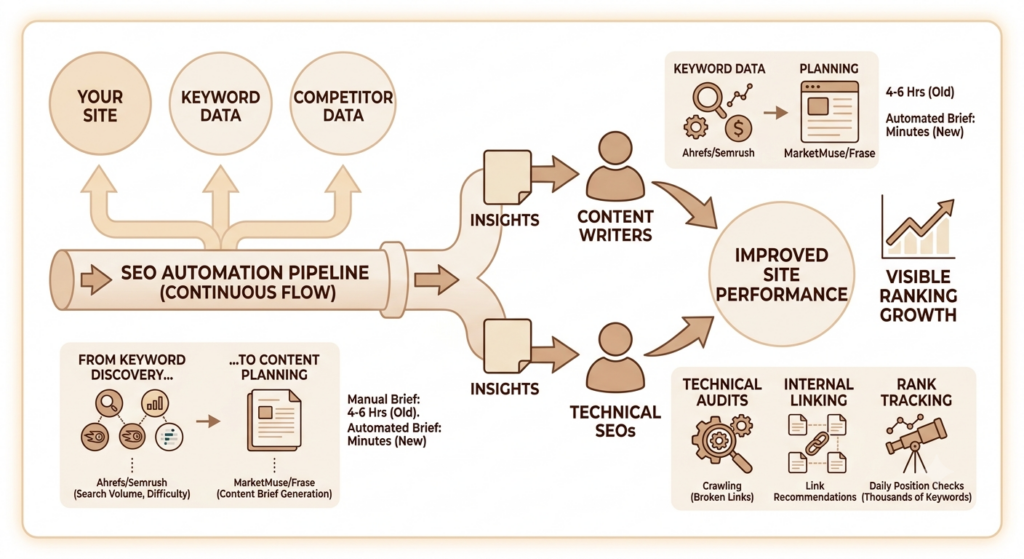
Why AI-Driven Content Generators Redefine Ecommerce SEO
Beyond looking good on the page, it brings real SEO worth and straight supports conversion by filling out the gaps your product descriptions can't constantly cover. Adding evaluations and star scores straight to your item pages can substantially help grow your Shopify sales. Consumers trust other buyers, and seeing real feedback can often be the nudge someone requires to strike "Contribute to Cart".
Including Q&A sections lets possible purchasers get quick answers to typical issues, which improves the shopping experience and decreases support questions. Even much better, these sections typically naturally consist of long-tail keywords, which can help increase your rankings for specific questions. From a technical viewpoint, user-generated content (UGC) supports structured data markup - like evaluation schema and product schema - which can help your pages appear with abundant bits (believe star rankings, FAQs, or evaluation counts) right in search results page.
Blogging is more than just filling space, it's an effective tool for driving traffic, constructing trust and enhancing your Shopify SEO. When done right, material marketing can bring in shoppers long before they're all set to purchase - and direct them toward your products naturally. In reality, 52% of clients confess blog site material effects their purchase decision.
Role of Retail Automation on ROI in 2026
For example, topics like "How to pick the ideal serum for oily skin" or "Best gifts for skin care lovers" can target high-intent, informational questions while also showcasing your offerings. Clear, focused H2 and H3 headings that match what individuals are in fact searching for make your post way much easier to skim - for both readers and search engines.
It's also an excellent idea to include internal links to your items, collections, or other article as this assists assist readers through your store and keeps them engaged. And when it makes sense, link out to reliable external sources too. It's a simple way to include worth and build reliability.
The key is to produce content that is keyword optimised, and answers genuine concerns, while likewise carefully directing readers toward a purchase. Website architecture is essentially how your store is structured - and it plays a larger function in Shopify SEO than a lot of people realise because it affects the method users navigate and connect with your online shop.
The Ultimate 2026 Guide to Modern Retail SEO
Internal and external connecting may not seem amazing, but they play a huge function in how your Shopify store performs in search engine result. When you link between pages on your site - like blogs, collections, or item pages - you're assisting search engines comprehend what is essential and how whatever links.
The Shift Toward Intent-Based Local Search ResultsUsing internal links strategically can help funnel authority to your highest-value pages. Think of it as providing search engines a nudge, saying 'this page matters'.
Discover the Top 5 Shopify Link-Building Methods. While SEO brings in sustainable, long-term traffic, social media (both natural and paid) can offer your shop an instant increase. Together, they develop a well-rounded technique that not just drives visitors but also supports your general brand name exposure. Organic social media is everything about developing trust and community. And when content links back to your shop, you develop steady, referral-driven traffic that supports your SEO efforts over time.Paid social advertisements, when done strategically, can drive high-intent traffic to particular pages, fresh arrivals, gift guides, or collection drops. Running ads alongside your Shopify SEO method assists you reach audiences before your organic rankings begin, particularly for seasonal or time-sensitive projects.

Latest Posts
Improving Organic Visibility with Automated Page Engines
How to Automate Ecommerce Growth in 2026
Refining Your Automated Blog Generator for Growth