All Categories
Featured
Compose a description that addresses the searcher's implicit question: what remains in this product? Consist of an advantage, a specific function, and a call-to-action or deal (complimentary shipping, 30-day returns, and so on). Keep it under 160 characters. Write 150300 words. Include your target keyword naturally in the first 100 words. Structure the description as: What the item is, who it's for, and why they need it.
If relevant to your keyword, include it here. "Perfect for ..." or "Get yours today." Include your target keyword in 12 product images, but not all of them. Alt text ought to be 515 words and detailed enough that somebody who can't see the image understands what it reveals. Example: "Merino wool waterproof treking boot with Gore-Tex, light-weight design for mountain trails." Schema markup tells Google: "This page is an item, it costs $X, it has 4.5 stars from 120 evaluations, and there are 5 in stock." Shopify consists of basic product schema by default, but verify it's correct: rate is accurate, accessibility matches your inventory, aggregate ranking is consisted of, and item images are linked.
Using Predictive Insights for Global SEO Campaigns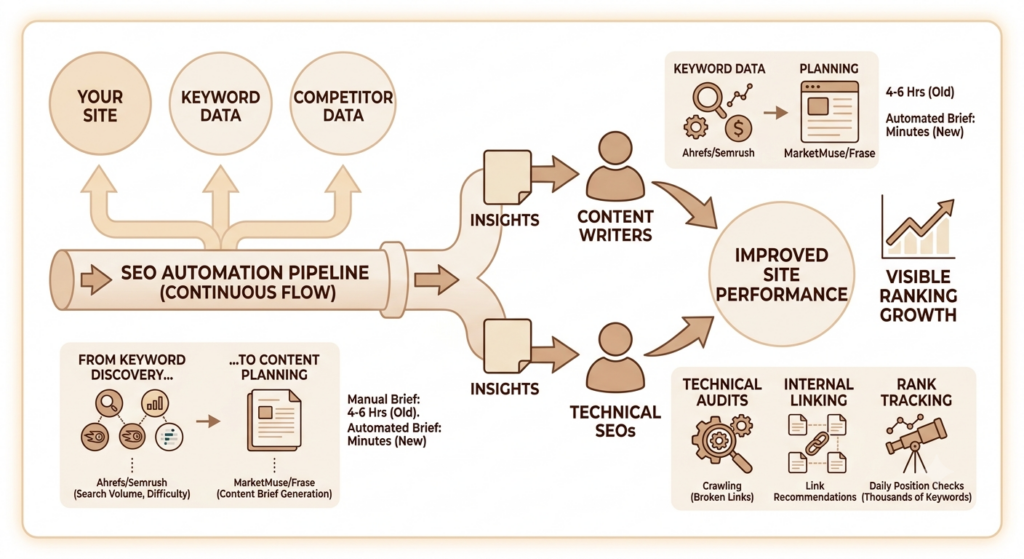
Collections rank for broad category keywords and funnel traffic to particular products. 150250 words opening with your target keyword, discussing what's in the collection, and consisting of an internal link to an associated blog site post. Filters on collection pages produce URLs like/ collections/shoes?
Blog sites serve 2 functions: (1) they rank for educational keywords that drive awareness, and (2) they connect back to your item pages, focusing ranking power. A blog site post on "how to pick hiking boots" ranks for 300+ month-to-month searches and can link to 510 item collections, boosting their authority.

Latest Posts
Improving Organic Visibility with Automated Page Engines
How to Automate Ecommerce Growth in 2026
Refining Your Automated Blog Generator for Growth