All Categories
Featured
Table of Contents
Regular SEO focuses on producing and optimizing specific pages. This technique is most efficient for blog site posts, service pages, or landing pages where depth and originality matter the majority of.
Instead, you're instantly producing a number of pages. Once the system is set up, you can scale SEO content across hundreds of pages (or even thousands), and do it much faster than with manual methods.
Let's start by going over the key aspects of programmatic SEO. Scaling these pages is easy when you comprehend the keyword pattern.
Why AI Workflows Transform Bulk SEO OutputThis data fuels your design template creations and lets you produce numerous special pages. Another crucial pillar of programmatic SEO is design template use.
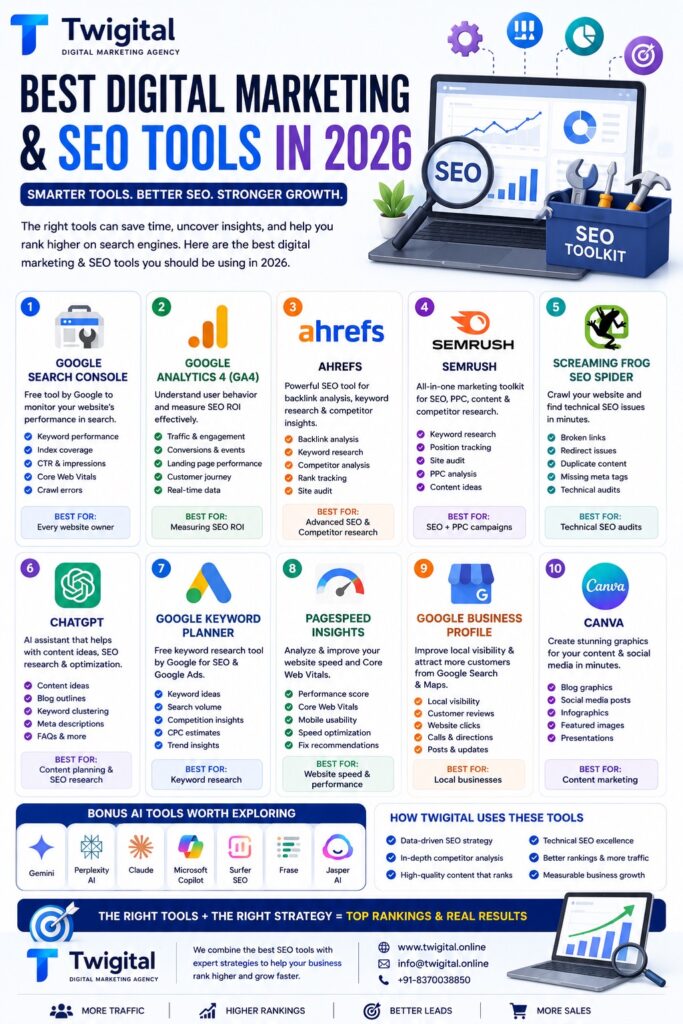
Make sure your pages are crawlable, indexable, and follow SEO best practices. Create special titles and meta descriptions, use appropriate internal connecting, and guarantee fast load times.
Managing the Programmatic Content Workflow for 2026
But massive techniques themselves do not break Google's standards. As long as you're utilizing it the proper way and staying within the guidelines, you've got absolutely nothing to fret about. The main thing is to develop pages that really help users. Generate relevant material with responses to common user inquiries. This ensures your pages aren't ever seen as spam, even at scale.
Why AI Workflows Transform Bulk SEO Output
All of it comes down to how you utilize it. When used attentively, it can be reliable for scaling premium content. However it can backfire if utilized carelessly. Next, we'll stroll you through how to develop programmatic SEO pages that actually provide worth. Let's proceed to the more useful part of this guide.
Programmatic content targets countless semantically comparable keywords (namely keyword patterns). Start by discovering appropriate keywords with many variations to scale your material. This consists of batches of long-tail keywords, with a head term combined with different place, intent, or product functions. For instance, you may begin with the head term "best restaurants," and after that add different areas as modifiers: Best restaurants Best dining establishments Best restaurants You can combine the head term with three modifiers to develop three distinct long-tail keywords.
Then you can scale this almost endlessly by adding more secondary modifiers, like "Best restaurants in Kyiv pet-friendly", "Finest restaurants in London for dates", "Best dining establishments in New york city with pizza", and so on. However to find out which modifiers drive traffic and pertain to your audience, you'll wish to use SE Ranking's Keyword Recommendation tool, which is perfect for finding keyword patterns.
Go to the section to see a list of long-tail keywords. Those are your keyword patterns.
Expert Guides for Programmatic Content Systems
You can also run this kind of analysis by evaluating the main keyword table. Simply focus on keywords with low problem and decent search volume. We recommend setting the problem to 40 or below. As for search volume, what's thought about low will differ depending upon your niche. You can concentrate on exact matches of your main keyword by filtering the list under that particular requirement.
That's where comprehending search intent ends up being essential. It shapes not simply your keyword list, but the entire structure and content of your programmatic SEO pages. Browse intent is the why behind a question. It's what the user is trying to achieve: (Transactional) (Informative) (Navigational) (Commercial) Creating reliable material suggests understanding precisely what users expect to see.
It likewise helps you construct smarter, more targeted design templates. If users searching for "best laptops for trainees" want specifications, price contrasts, and pros & cons, your template must consist of all of it. If the inquiry is location-based, add maps or regional information. If it's product-focused, consist of filters or CTAs. Search intent + keyword insights = blueprint for scalable, beneficial content.

Latest Posts
Improving Organic Visibility with Automated Page Engines
How to Automate Ecommerce Growth in 2026
Refining Your Automated Blog Generator for Growth