All Categories
Featured
Table of Contents
Audit apps monthly. Allow Shopify's CDN for fixed properties and item images. Use native lazy loading: add loading="lazy" to all product images below the fold.
A single product can be available by means of:/ products/blue-running-shoes/ products/blue-running-shoes?, which connects to the collection-prefixed URL all over on your website. This splits your ranking signals.
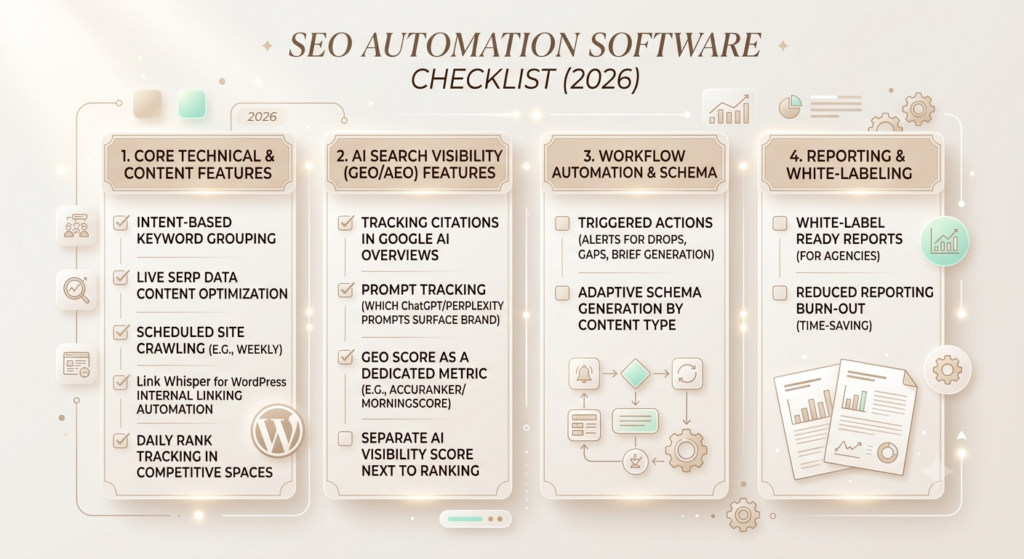
Aligning internal links, canonical tags, and sitemap entries makes sure Google indexes just one version of each product page, concentrating all ranking power in one place. Guarantee: All navigation, filters, and product choices work identically on mobile.
No mobile-only ads or pop-ups that cover content. Shopify creates sitemaps automatically. Go to and verify item URLs utilize the canonical (non-collection-prefixed) variation, variant URLs are left out, and dead/archived products are removed. Send your sitemap to Google Browse Console. FREE SEO AUDITNot sure if your Shopify store has technical SEO problems? Our group performs comprehensive audits that recognize duplicate content, speed bottlenecks, and crawlability issues.
Ecommerce keyword research study differs from content SEO. Your audience isn't browsing for informationthey're searching for products. There are 4 objective buckets: "running shoes" (high volume, high competitors, difficult to rank for as a brand-new shop). "Nike Air Max" (primarily rival traffic). "waterproof hiking boots for guys with large feet" (low volume, high intent, easier to rank).
Essential Advantages of Using Mass Page Local SEO
A keyword with 500 month-to-month searches and 30% industrial intent frequently transforms much better than a 50,000-volume generic term with 2% intent. Reveals search volume for your seed keywords.
Exposes keyword trouble, rival keywords, and search intent. Develop your keyword strategy around 50100 long-tail phrases, not 5 generic ones.

Write a description that responds to the searcher's implicit concern: what's in this item? Include an advantage, a specific function, and a call-to-action or offer (totally free shipping, 30-day returns, etc). Keep it under 160 characters. Write 150300 words. Include your target keyword naturally in the first 100 words. Structure the description as: What the item is, who it's for, and why they require it.
If pertinent to your keyword, include it here. Include your target keyword in 12 item images, however not all of them. Shopify includes standard item schema by default, but verify it's appropriate: rate is accurate, accessibility matches your inventory, aggregate score is consisted of, and product images are connected.
Collections rank for broad classification keywords and funnel traffic to particular products. Optimize each collection with:" [Classification Keyword] [Brand/Differentiator] 150250 words opening with your target keyword, explaining what's in the collection, and including an internal link to an associated post. Engaging, benefit-driven, under 160 characters. Filters on collection pages develop URLs like/ collections/shoes? size=10 & color=blue.
How to Automate Retail SEO in the Future
Blog sites serve 2 functions: (1) they rank for informative keywords that drive awareness, and (2) they connect back to your item pages, focusing ranking power. A blog post on "how to pick treking boots" ranks for 300+ month-to-month searches and can link to 510 item collections, improving their authority.
Write a description that answers the searcher's implicit concern: what's in this product? Include your target keyword naturally in the very first 100 words. Structure the description as: What the item is, who it's for, and why they require it.
Is Your Store SEO Optimized for 2026?If appropriate to your keyword, include it here. Include your target keyword in 12 item images, but not all of them. Shopify consists of fundamental product schema by default, however verify it's appropriate: cost is precise, schedule matches your inventory, aggregate ranking is consisted of, and product images are connected.
The Definitive 2026 Blueprint to Automated Retail SEO
Collections rank for broad classification keywords and funnel traffic to specific items. Enhance each collection with:" [Category Keyword] [Brand/Differentiator] 150250 words opening with your target keyword, describing what remains in the collection, and consisting of an internal link to an associated blog site post. Engaging, benefit-driven, under 160 characters. Filters on collection pages develop URLs like/ collections/shoes? size=10 & color=blue.
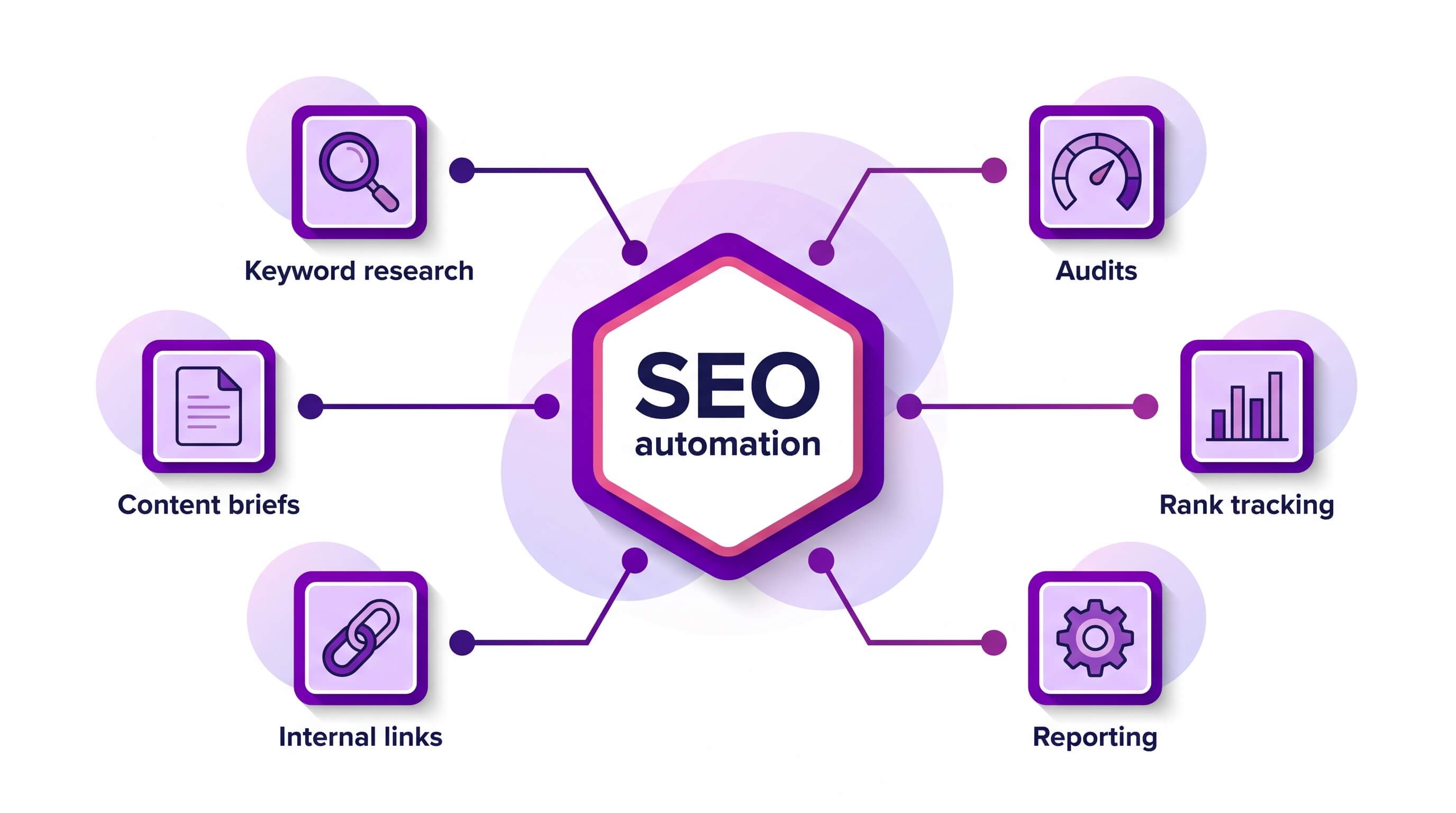
Blogs serve two purposes: (1) they rank for informative keywords that drive awareness, and (2) they link back to your product pages, concentrating ranking power. A blog post on "how to choose hiking boots" ranks for 300+ regular monthly searches and can link to 510 product collections, improving their authority.

Latest Posts
Improving Organic Visibility with Automated Page Engines
How to Automate Ecommerce Growth in 2026
Refining Your Automated Blog Generator for Growth